ABOUT ME
Martha Greenlee
Full Biography
In the late 1980’s my husband took me bird hunting with his two setters. When Josephine retrieved a pheasant that I’d shot, I was totally hooked. I was hooked so badly I went out and bought my first bird dog, a Brittany pup. Little did I know how much my life was about to change. We started taking bird hunting trips to Iowa, Maine and later to Arizona as well as hunting the local coverts that surrounded us in northwestern PA. On one occasion we went to a fun trial at the PA Brittany Club to watch Brittanys compete. I was left wanting to learn more about field trialing – a lot more!
Over the years I’ve had dogs in competition with pro-trainers as well as competed with dogs I’ve bred and trained myself. I love all aspects of bird dogs but breeding began to fascinate me. My background was in art and in my mind a beautiful dog was like a work of art. Breeding a good bird dog is probably the hardest challenge I’ve taken on. One reason is because I had to understand what I was breeding and to do this well, I had to learn how to train bird dogs. Fortunately, I’ve had some great teachers like Dave Walker, Ben Lorenson and Mo Lindley. But as I became a better trainer, I realized the dogs were teaching me and the better the dog, the better the teacher. When a dog I owns wins a big championship, I’m not excited because I won a ribbon, I’m excited because I’ve gotten to know this dog and learn from him which in turn makes me a better breeder.
Although my love for bird dogs remains unchanged, my breeding goals have evolved since I began breeding 30 years ago. I’ve learned how important genetics are for the bird dog, how the best bird dog is born NOT made. The more dogs I breed the more focused I become on the performance dog – the dog that is suitable for a field trialer, serious bird hunter or occasional plantation string. While I don’t breed for the show-ring and am happy to recommend someone. What really excites me is breeding a dog with great bird finding ability and the natural talent to perform in the field. I love the one-hour athletes of our sport that go through the country with power and style. I love the dog that wants to go with me, that gives me that special feeling of being connected and we’re a team each respecting the other’s role. And most of all I love the bond I share with my dog as we work together in the pursuit of game.
NOTABLE ACCOMPLISHMENTS
NOTABLE ACCOMPLISHMENTS
Formed Piney Run Kennel
Established Piney Run Kennel in 1991
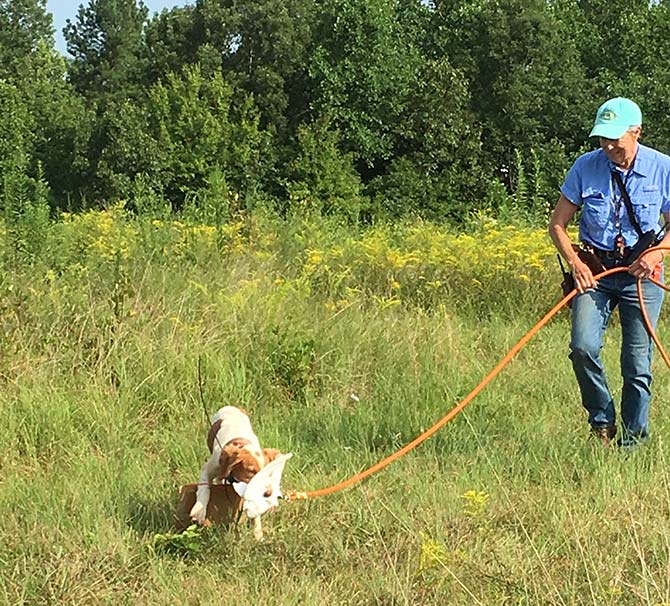
Currently resides in south-central Virginia where she breeds, develops and trains Brittanys.
Awards
While no longer field trialing, Martha has put many Open/Amateur Field Trial Champion titles on her dogs as well as winner or runner up titles in Regional Championships. She received the Woman’s Handler Award twice which is presented to the top woman hander at the National Brittany Amateur All Age Championship.
National Champions
She has bred or owned 5 National Champions including NAFC/FC/AFC Piney Run Sam, NFC/FC/AFC Piney Run Art, NGDC/FC Piney Run Lily, and 2x NAFC/FC/AFC Piney Run Hilltop Blew as well as 2x Purina All-Age Dog of the Year GFC/GAFC/FC/AFC Piney Run Jake.
Articles
Besides breeding and working with dogs, Martha enjoys writing about them. She wrote Training with Mo: How Maurice Lindley Trains Pointing Dogs, Training Tips Your Bird Dog Will Love, co-authored The Brittany: Amateurs Training with Professionals, and co-edited Hunting Dogs, Field Trial Dogs & Brittanys. She has contributed articles to numerous publications including Field Trial Magazine and the American Brittany Magazine.
NATIONAL CHAMPIONS
NATIONAL CHAMPIONS
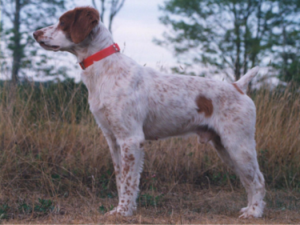
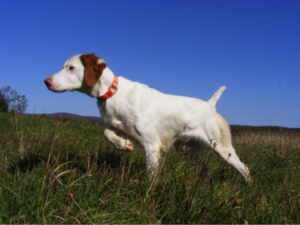
NAFC/FC/AFC Piney Run Sam
Owner Martha Greenlee
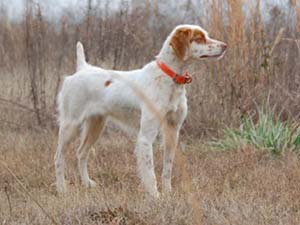
NFC/FC/AFC Piney Run Art
Owner Martha Greenlee
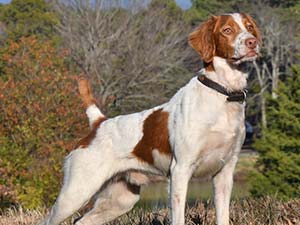
NGDC/FC Piney Run Lily
Owner Martha Greenlee
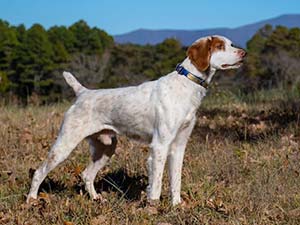
2x NAFC/FC/AFC Piney Run Hilltop Blew
Owner Kent Patterson
GFC/GAFC/FC/AFC Piney Run Jake
Owner Kent Patterson